Can't Code? No Problem. How ScrapeStorm Lets Product Managers, Ops, and Analysts Scrape Data Without Waiting on Engineers
1. Learning Curve
- ScrapeStorm: Nearly zero barrier to entry. As long as you can understand webpage structures, just drag, drop, and click — you’re up and running in ten minutes. No need to know Python, no need to wrestle with XPath syntax.
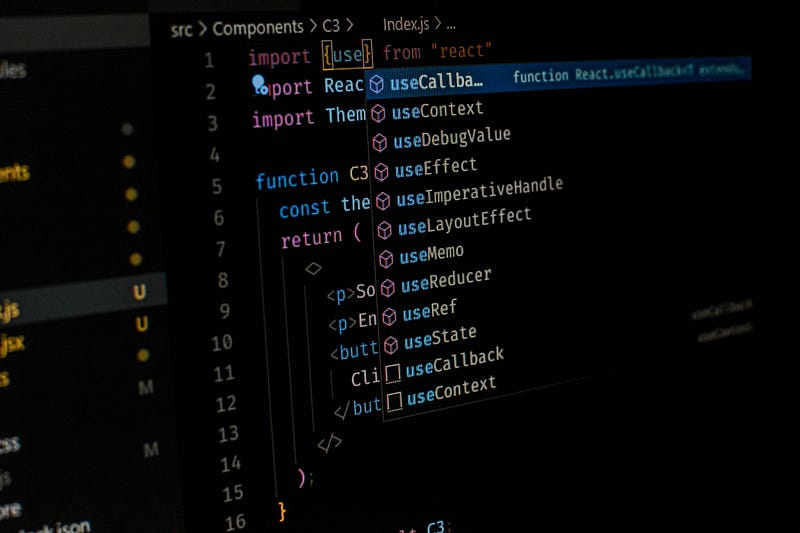
- Scrapy (Python): A steep learning curve. You need to understand Python syntax, selectors, asynchronous programming, middleware, and more. For a complete beginner, writing a usable crawler from scratch takes at least a day or two.
2. Development Efficiency
- ScrapeStorm: What you see is what you get. Click to select data on the page, connect the dots on the flow canvas. Smart recognition of lists, pagination, and infinite scrolling. Prototypes in minutes, finished products in hours.
- Scrapy: From writing items and spiders, configuring settings, debugging selectors, handling anti-scraping measures, to setting up pipelines — the full process takes half a day to a full day even for experienced developers.
3. Maintenance Difficulty
- ScrapeStorm: Website redesigned? Open the project, re-select the fields, hit save — and you’re done. Rule changes are visual, and handing over to a colleague requires no code explanation.
- Scrapy: When site structures change, XPath/CSS selectors all need updating, middleware may need reconfiguration, and logs require troubleshooting. Maintenance costs scale linearly with the number of projects. Without clear documentation and comments, even you won’t understand your own code three months later.
4. Target Audience
- ScrapeStorm: Product managers, operations, data analysts, beginners in web scraping, or developers who need to quickly validate data requirements. A low-code tool that empowers non-technical users to extract data on their own.
- Scrapy: Professional scraping engineers and technical teams. Ideal for large-scale distributed crawling, sophisticated anti-scraping strategies, and scenarios requiring fine-grained control over requests and parsing logic.
One Sentence Summary
ScrapeStorm turns web scraping from a “programming task” into a “flowchart exercise” — it’s all about speed and ease of use. Scrapy, on the other hand, is a “Swiss Army knife” — powerful but demanding a skilled hand. If your goal is to get data quickly rather than master the craft, ScrapeStorm is clearly the more pragmatic choice.


评论
发表评论